## Ja-Ko-Si
**Ja-Ko-Si** — міжнародний жіночий metal-перформанс, що об'єднав виконавиць із Японії, Південної Кореї та Сінгапуру. Назва проєкту була побудована як гра зі складами **Ja-Ko-Si**, що водночас натякали на три культурні сцени - **Japan, Korea, Singapore** - та створювали коротке, ритмічне сценічне ім'я.
Особливістю Ja-Ko-Si було поєднання **gothic metal, dark pop, symphonic metal, visual kei, electronic music та театралізованого сценічного перформансу**. Концерти проєкту будувалися не як звичайні рок-виступи, а як своєрідні музичні вистави: музика, костюми, світло, хореографія та відеопроекції створювали єдиний сюжет.
До складу основного міжнародного ядра Ja-Ko-Si входили:
**Marika "Jasmin" Minamoto** - японська виконавиця, пов'язана з gothic metal та visual kei-сценою. Її сценічний образ поєднував традиційну японську естетику з похмурою романтикою готичної сцени.
**Nari "Joslyne" Choe** - південнокорейська dark-pop idol-виконавиця. На відміну від важкого японського звучання, вона привносила в проєкт елементи корейської електронної поп-музики, синтезаторний darkwave та складну сценічну хореографію.
**Arielle "Chloe" Tang** - сінгапурська співачка та performance artist, яка поєднувала альтернативний metal із dark electronic music. Її виступи відрізнялися особливою увагою до театральності, пластики та візуального мистецтва.
Особливим епізодом в історії Ja-Ko-Si стала співпраця з українською вокалісткою **Horsticia Besselz**. Познайомившись із учасницями проєкту під час своїх подорожей 2020–2022 років, Хорстиція поступово стала неформальною **четвертою учасницею міжнародного складу**.
Її поява змінила характер виступів. Глибокий **мецо-сопрано Horsticia** створював контраст із японською металевою манерою Marika, електронним dark-pop Nari та театральною подачею Chloe.
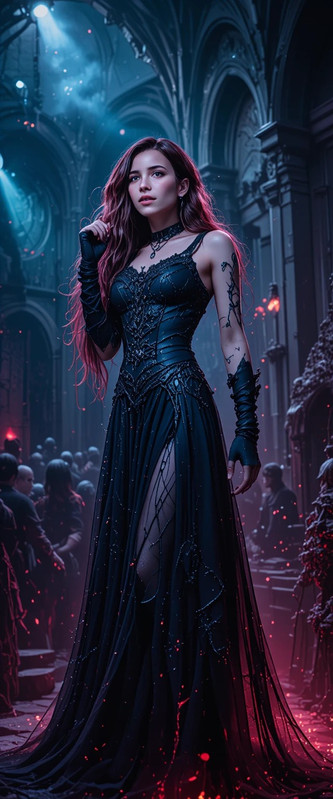
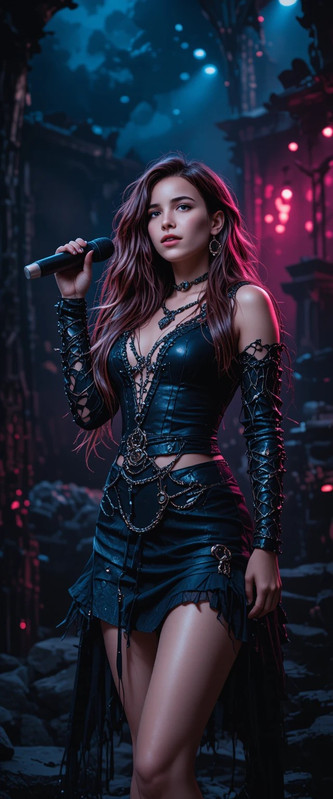
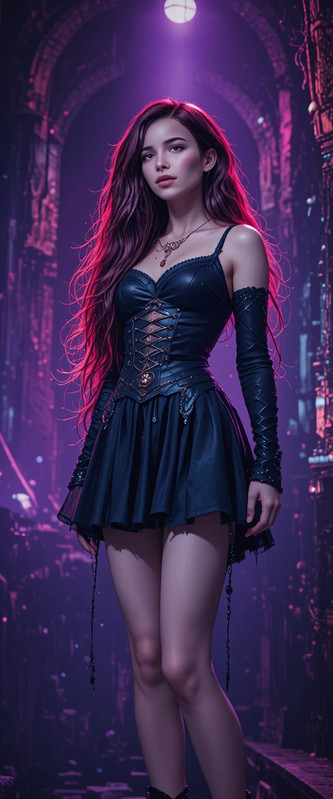
На спільних концертах чотири виконавиці часто з'являлися на сцені в різних образах, що символізували **чотири стихії або чотири сторони одного міфу**. Пісні могли починатися як мінімалістичний dark pop, переходити в японський metal, потім у симфонічну кульмінацію з вокалом Horsticia і завершуватися спільним хоровим фіналом.
Для Хорстиції цей досвід виявився принциповим.
До знайомства з Ja-Ko-Si вона переважно сприймала сцену як простір **пісні та вокалу**. Японські, корейські та сінгапурські виконавиці показали їй іншу модель — **сцену як цілісний мистецький світ**, де музикант одночасно є співаком, актором, персонажем і частиною візуальної композиції.
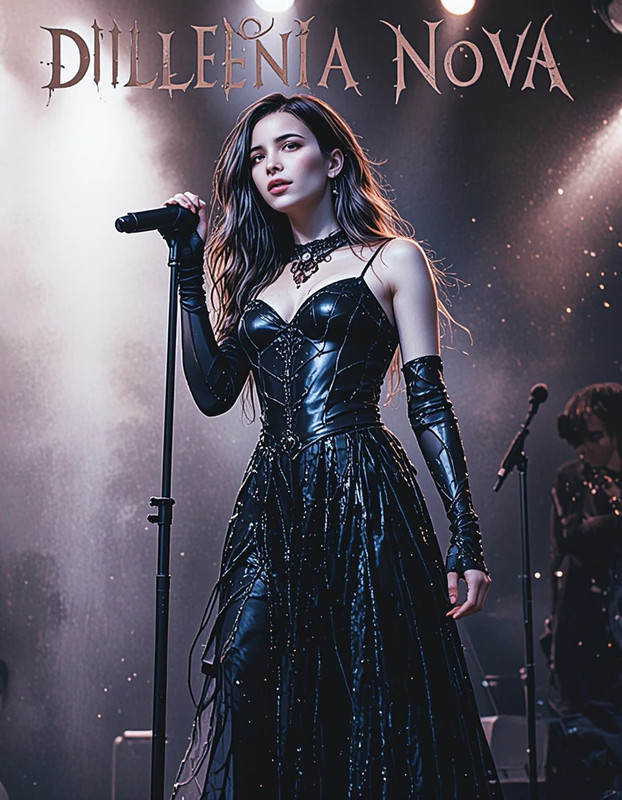
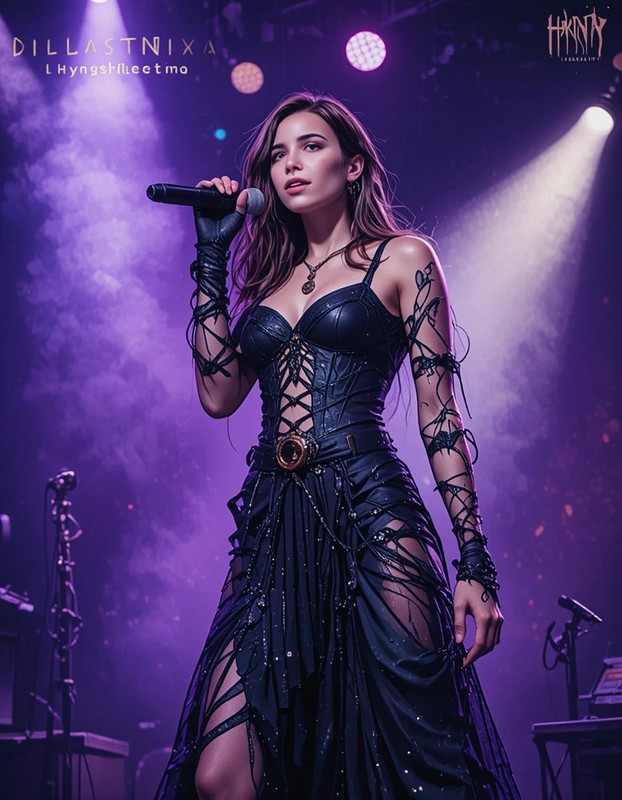
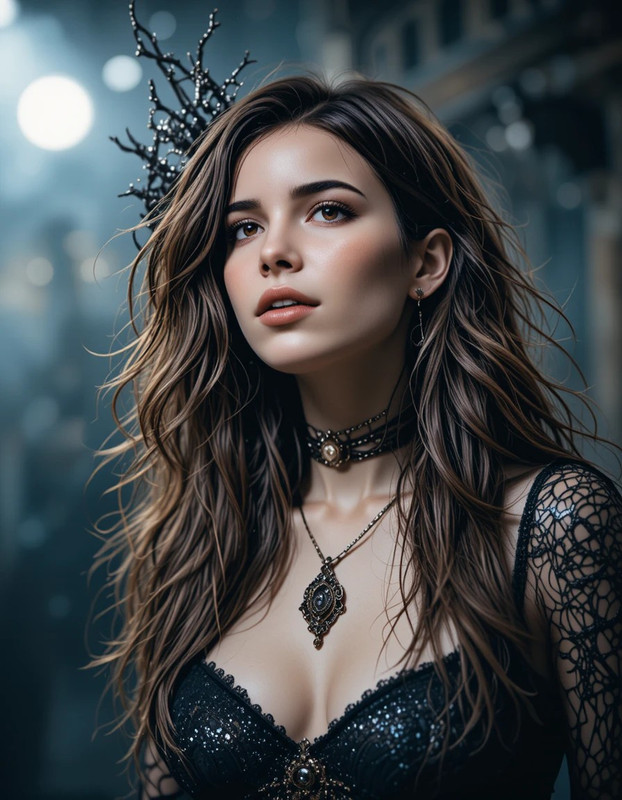
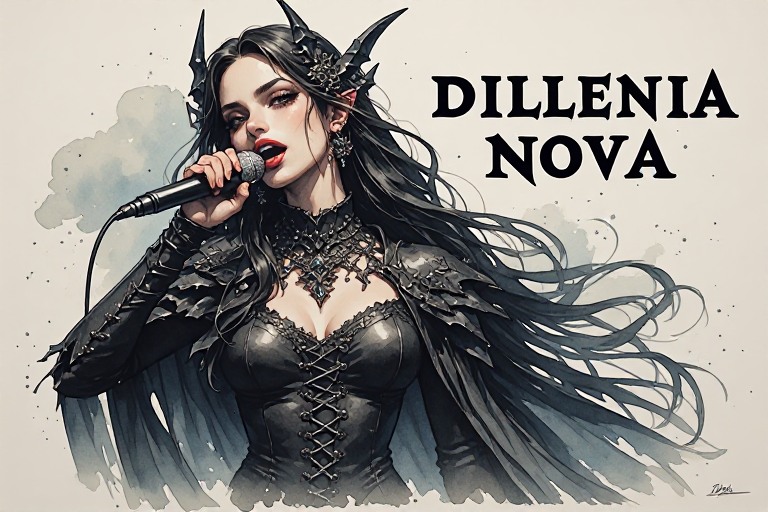
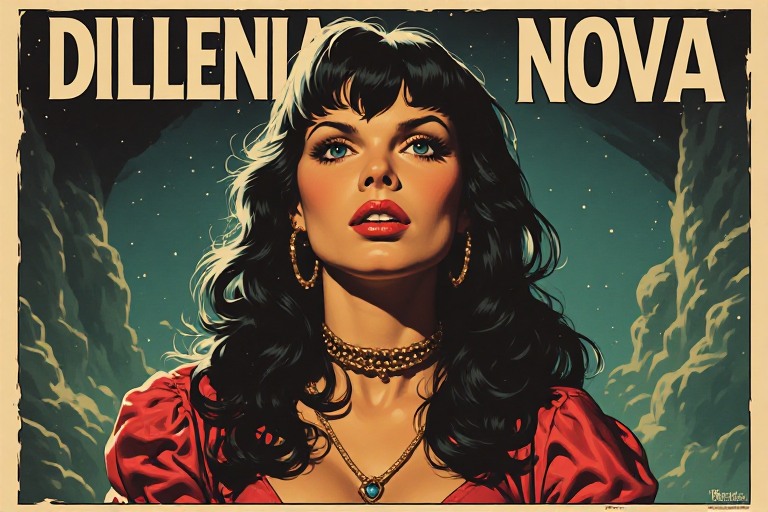
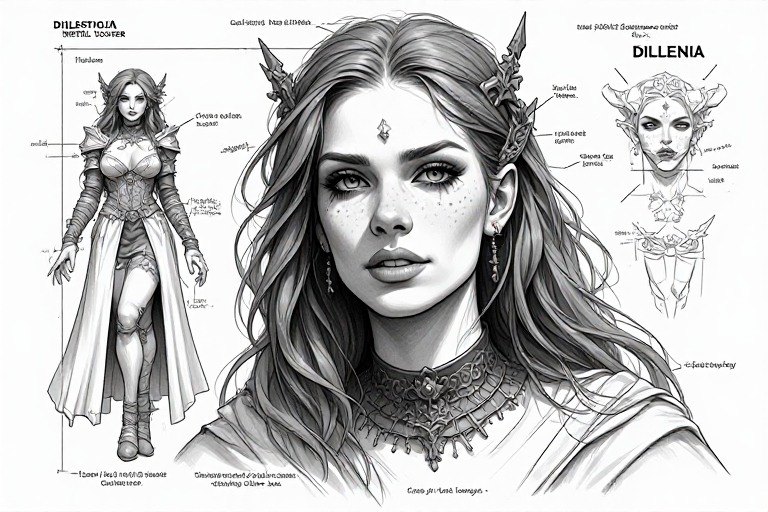
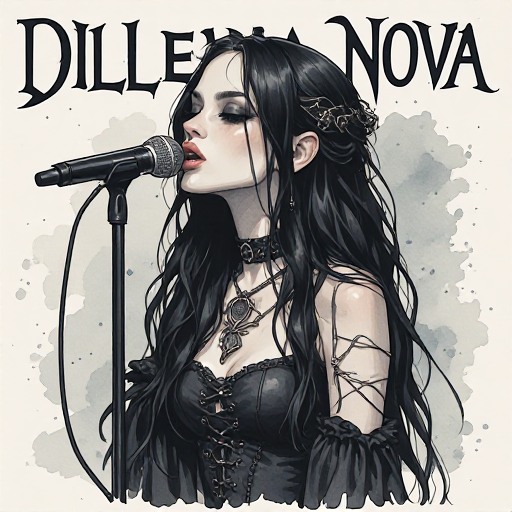
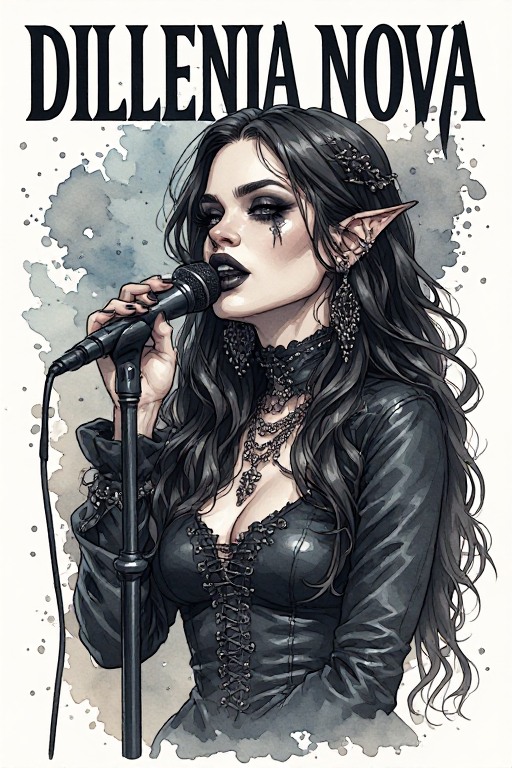
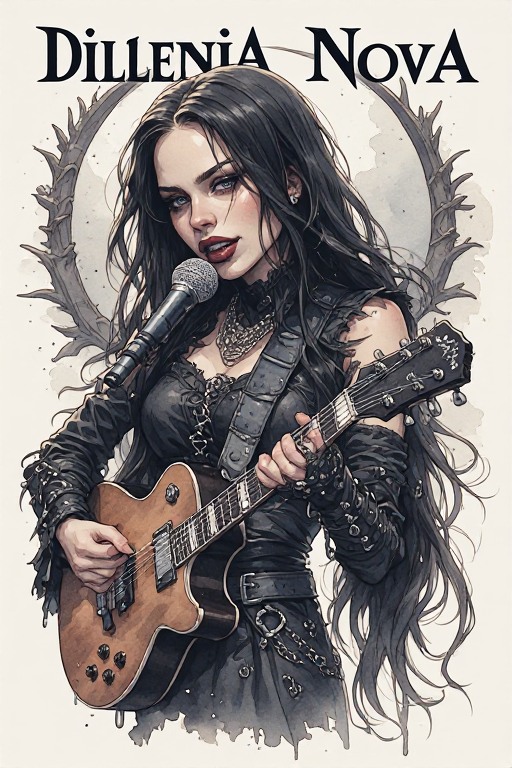
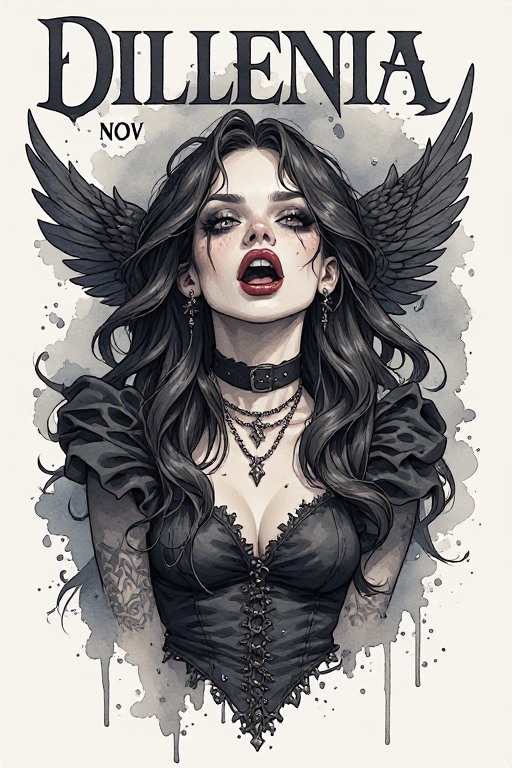
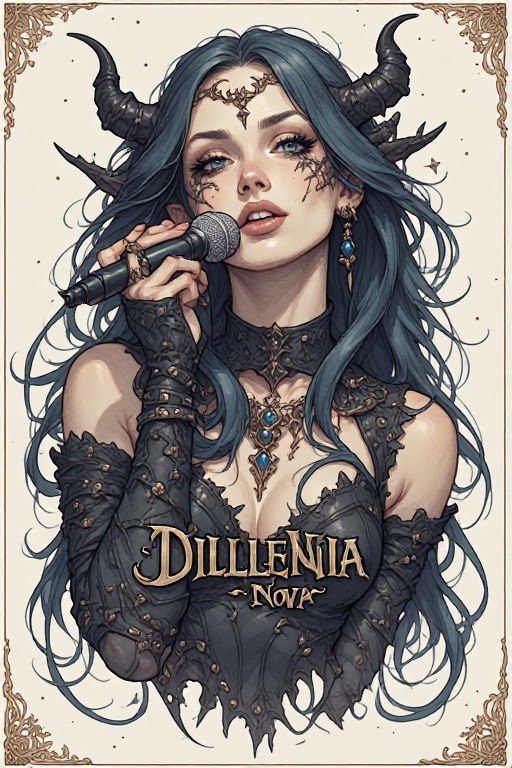
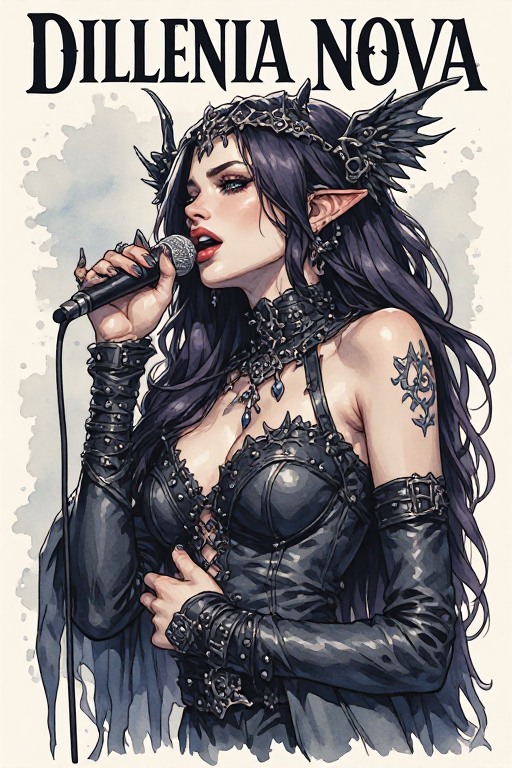
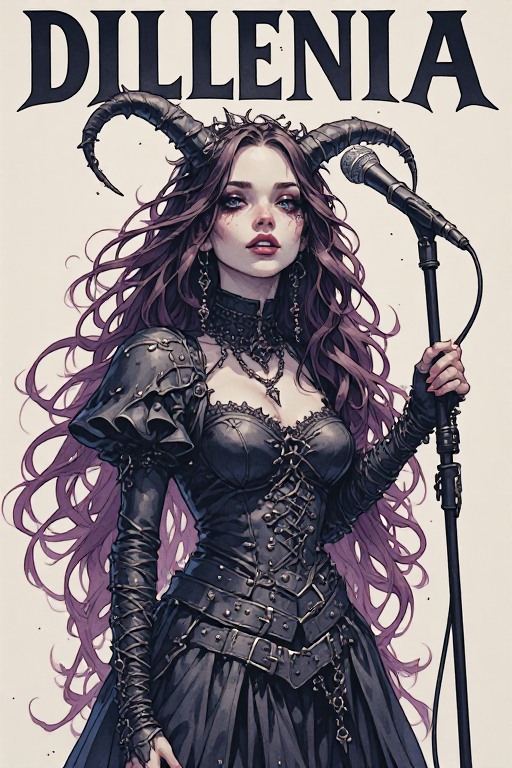
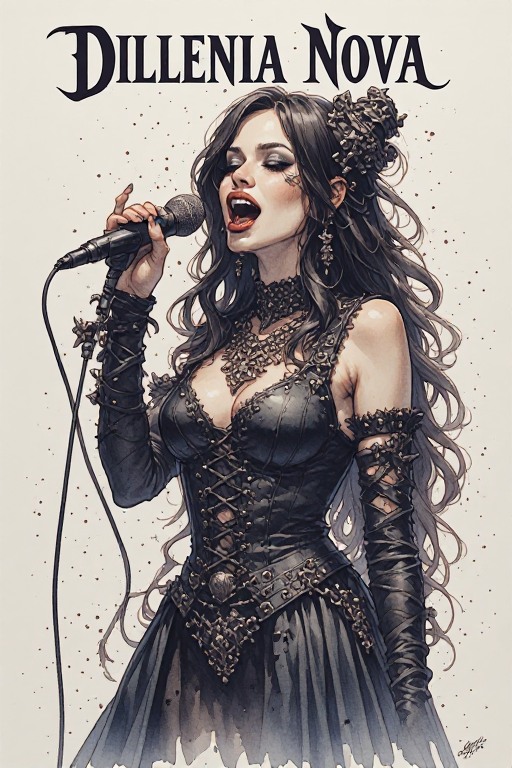
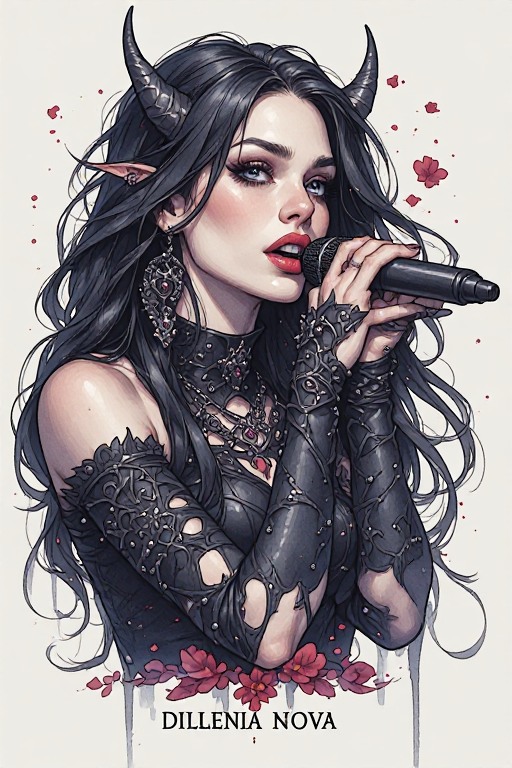
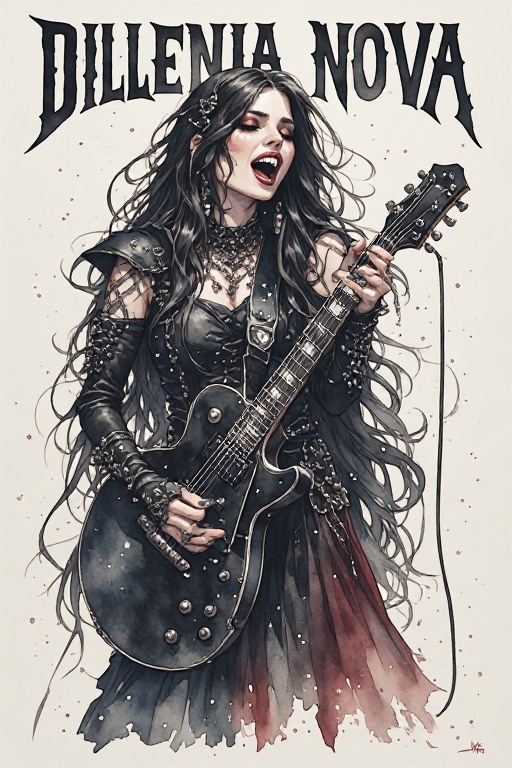
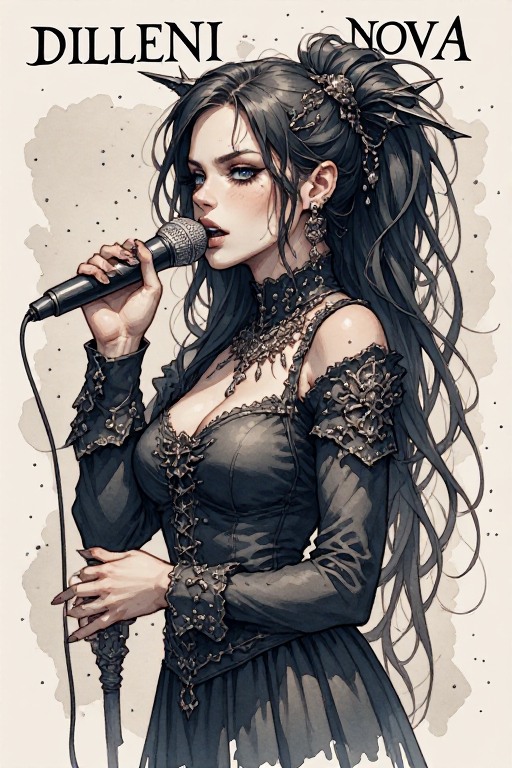
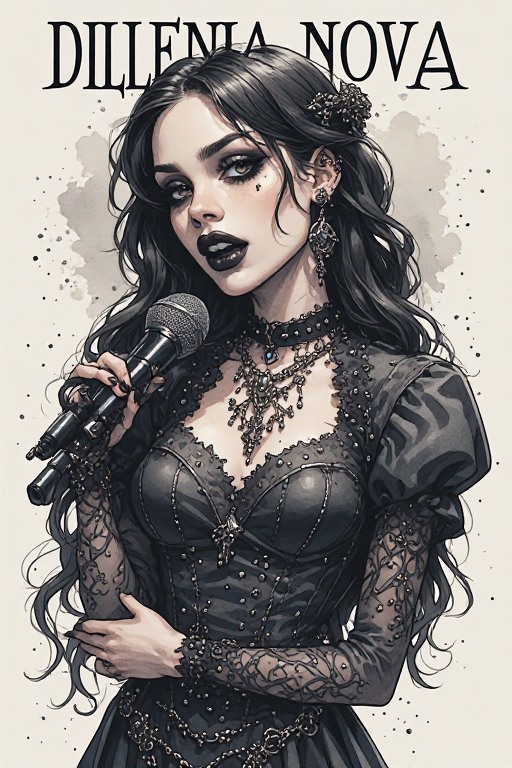
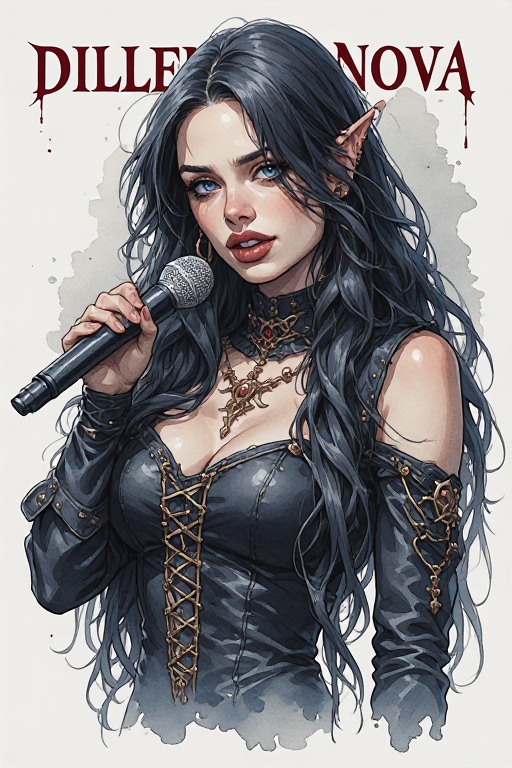
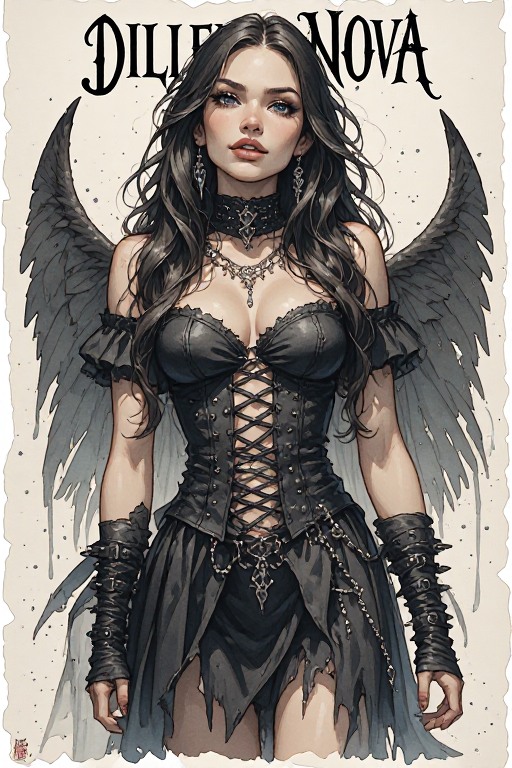
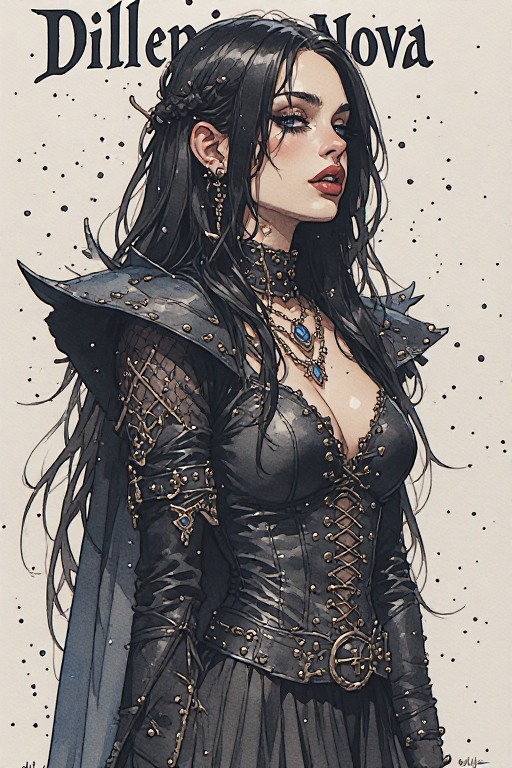
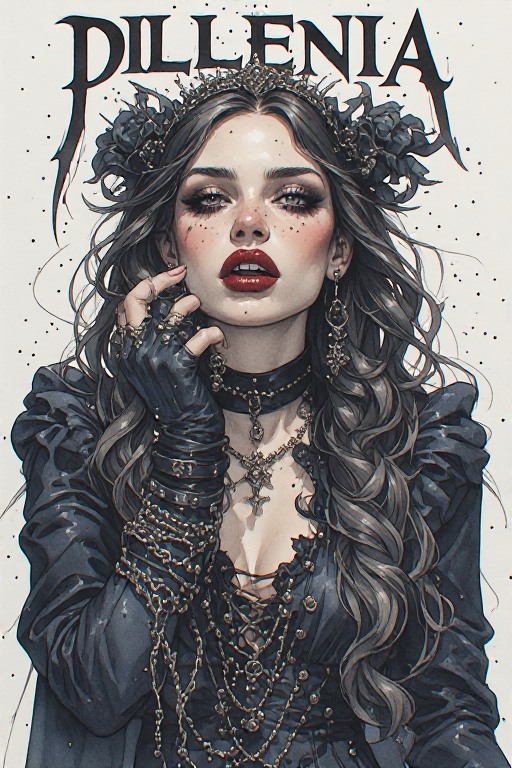
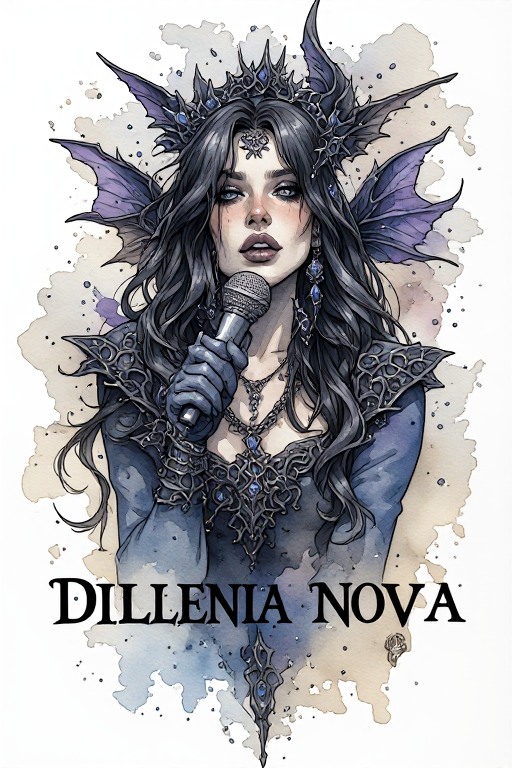
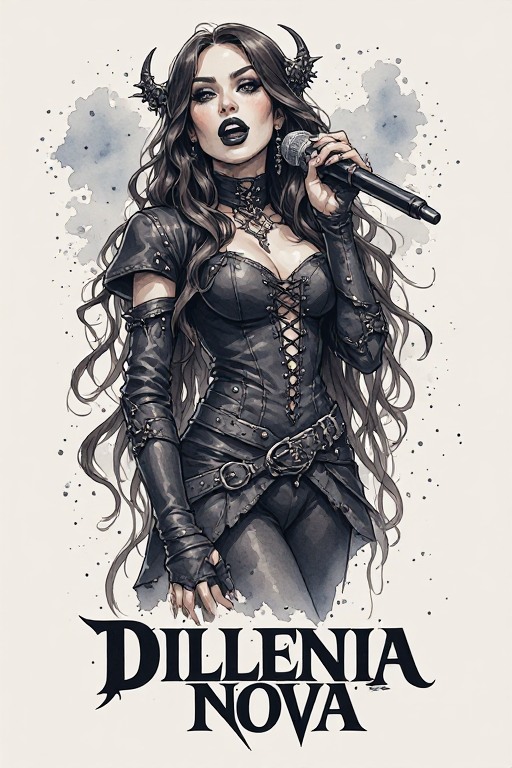
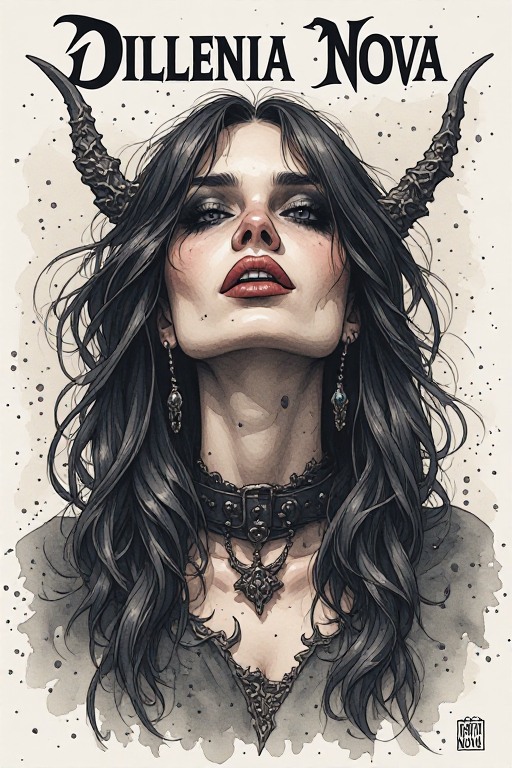
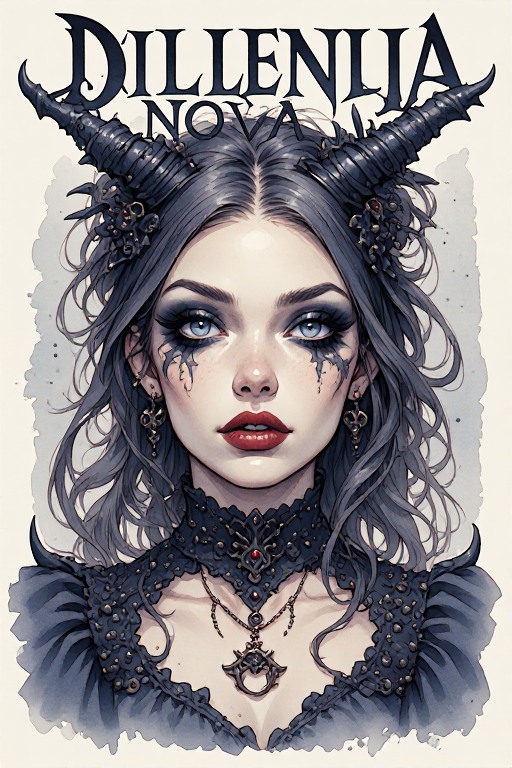
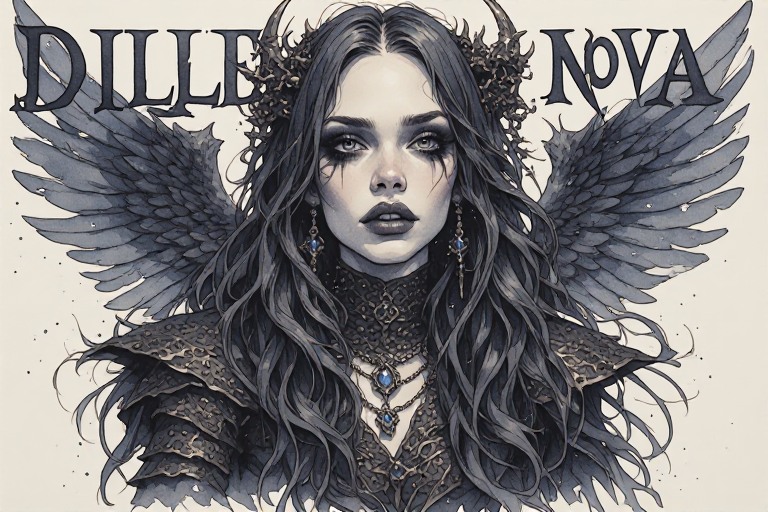
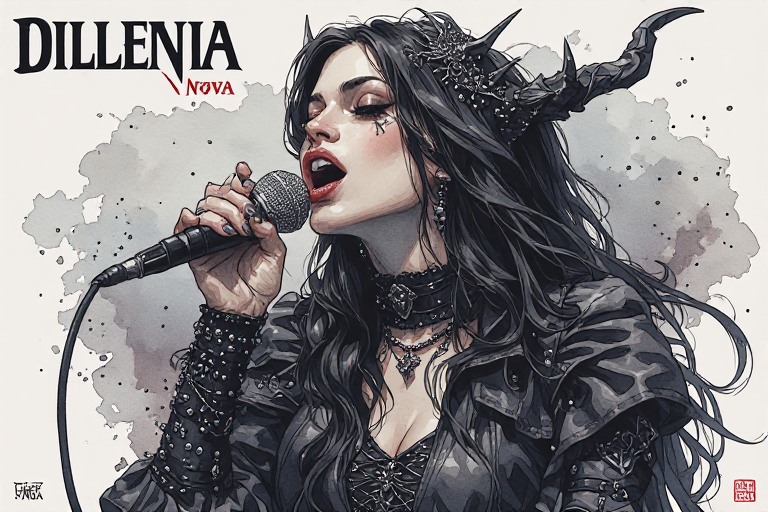
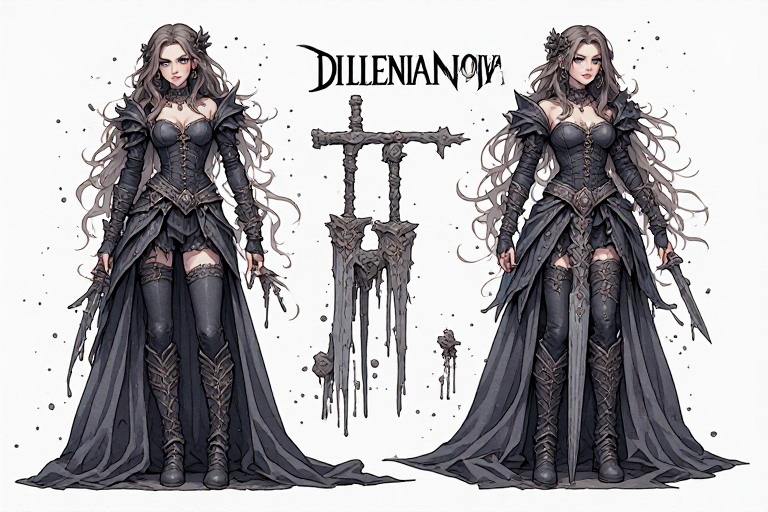
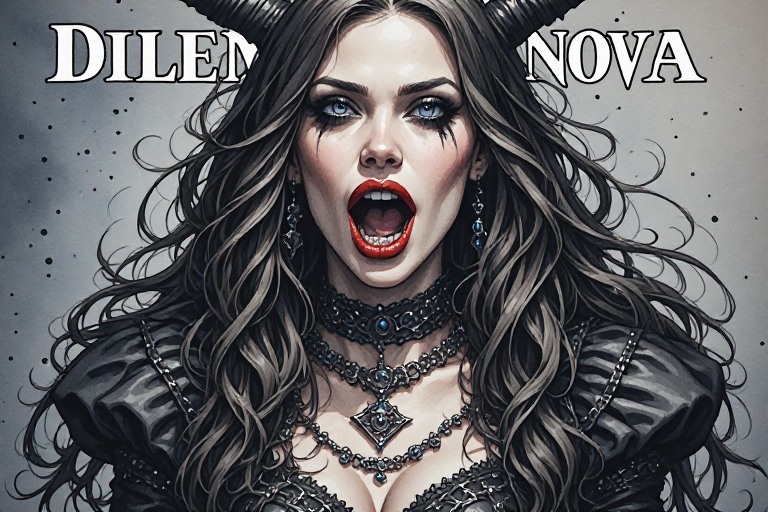
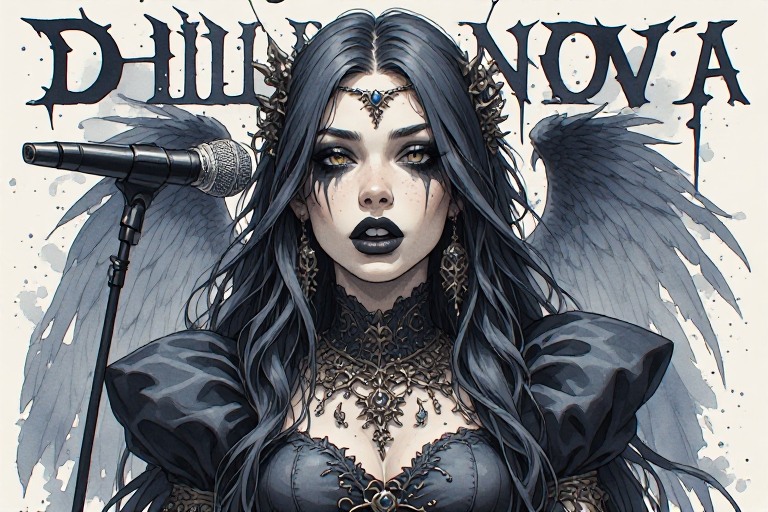
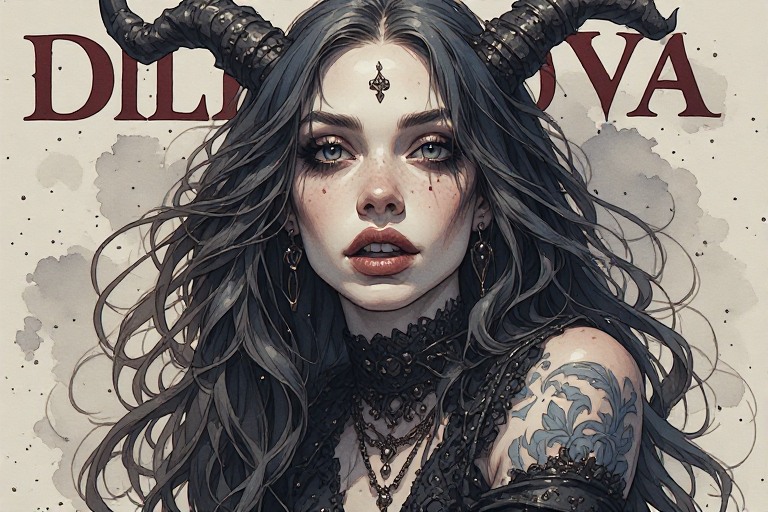
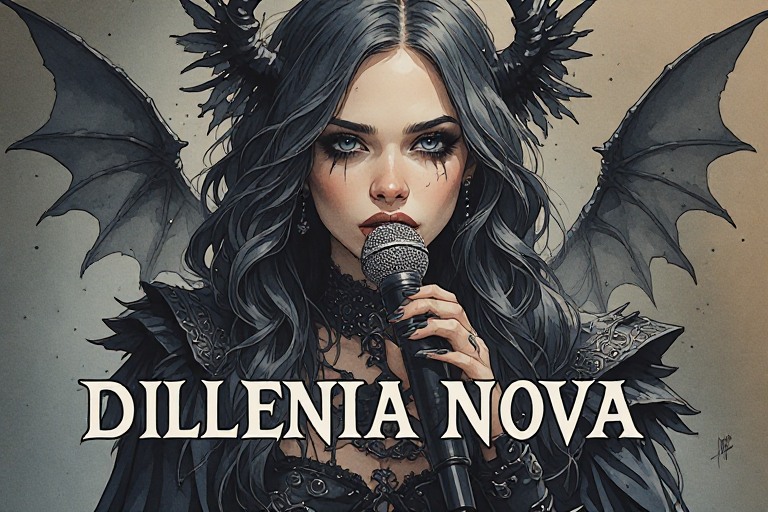
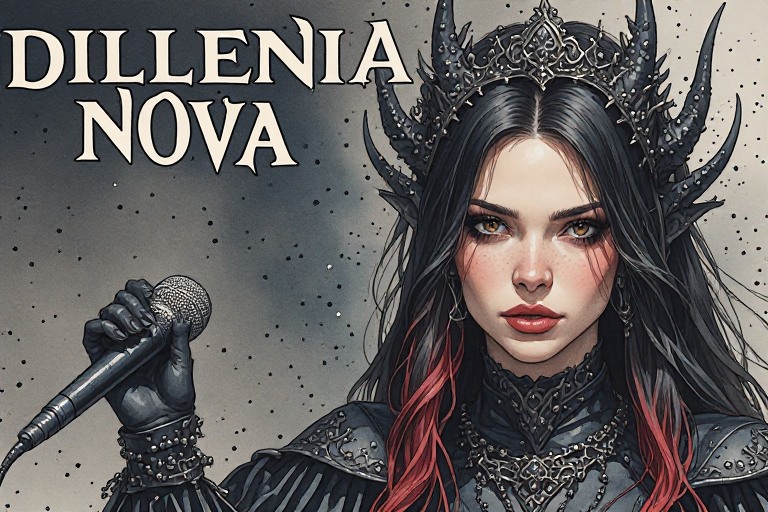
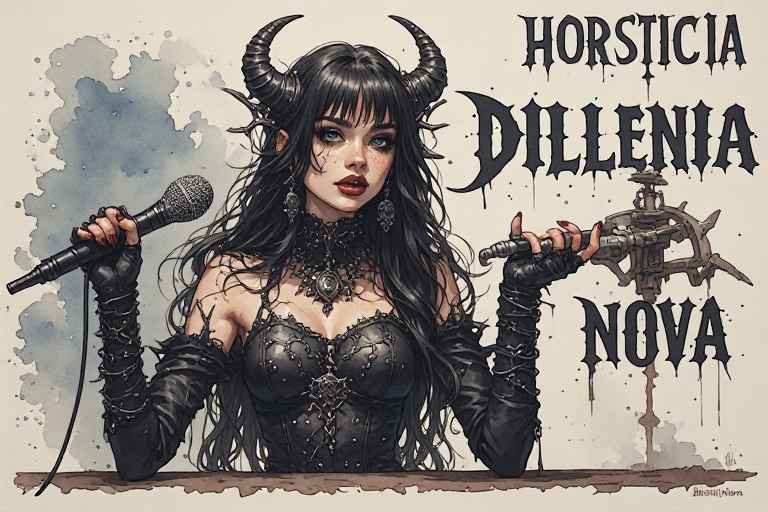
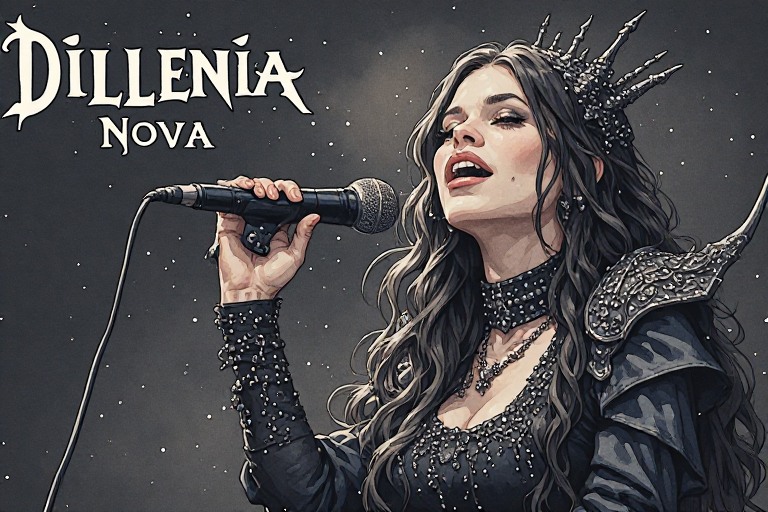
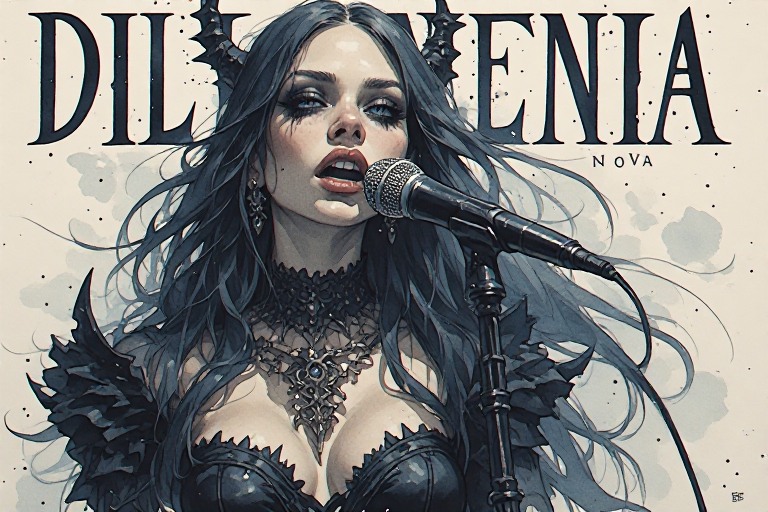
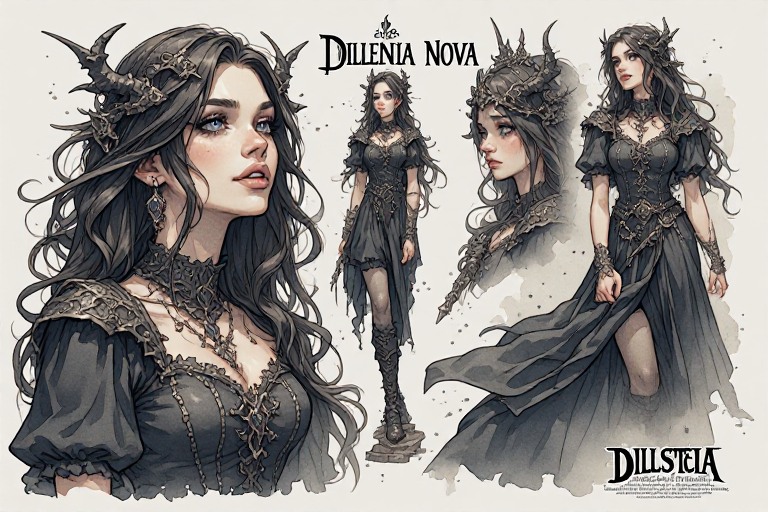
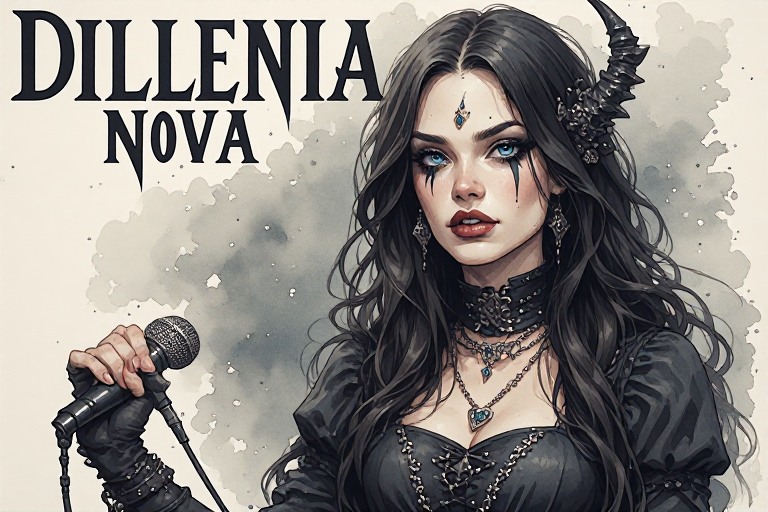
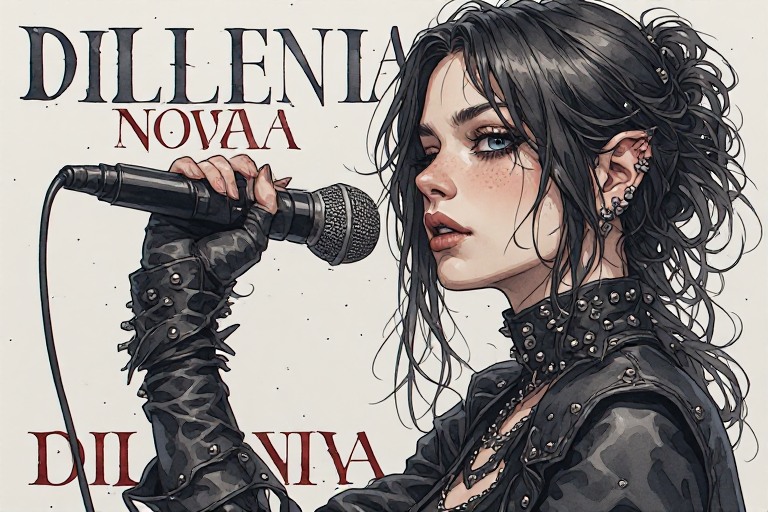
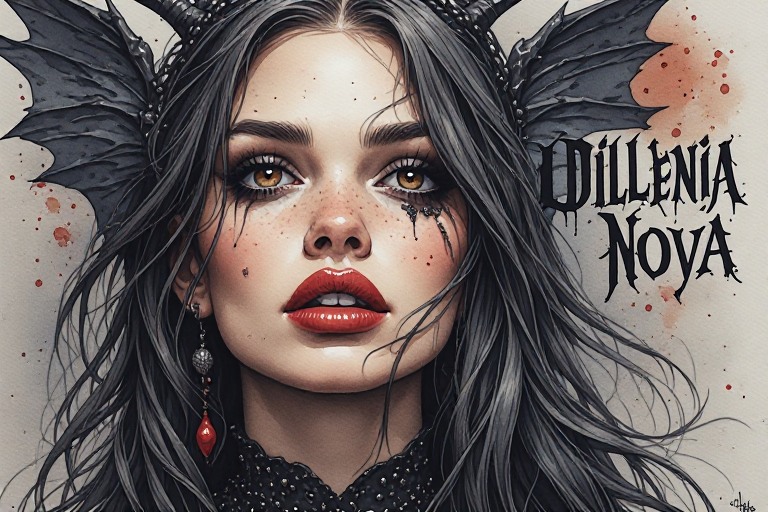
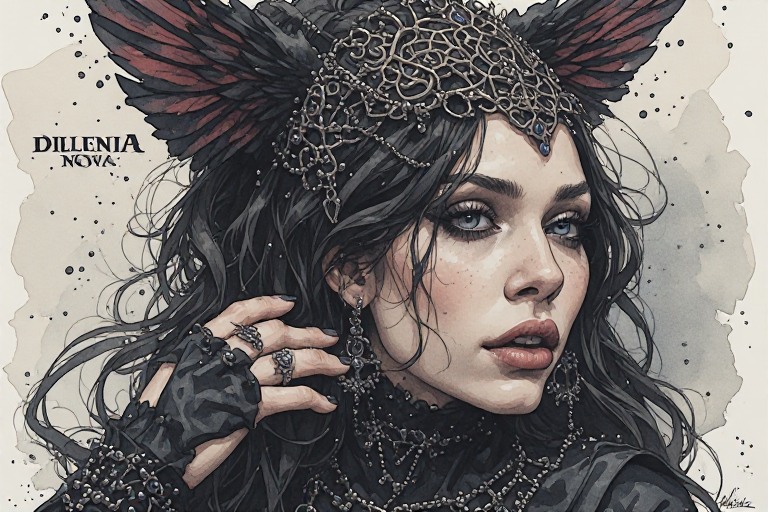
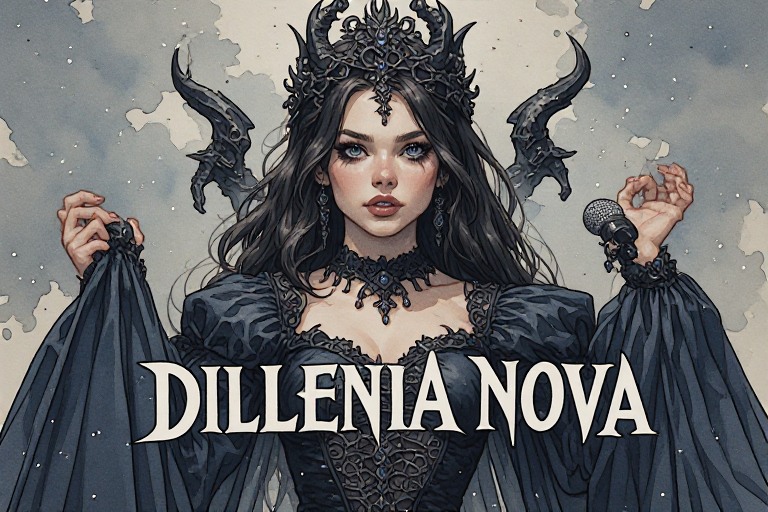
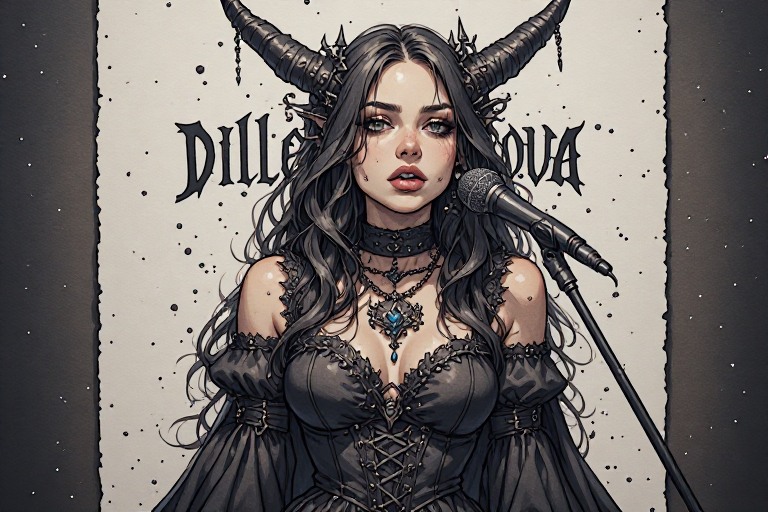
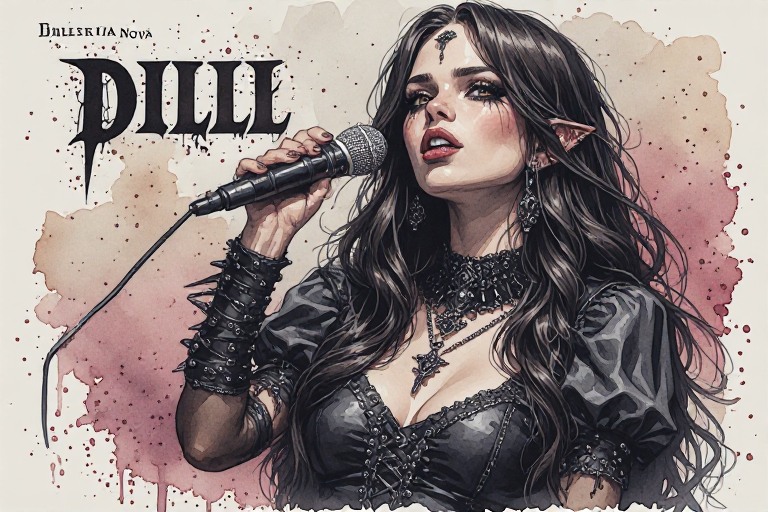
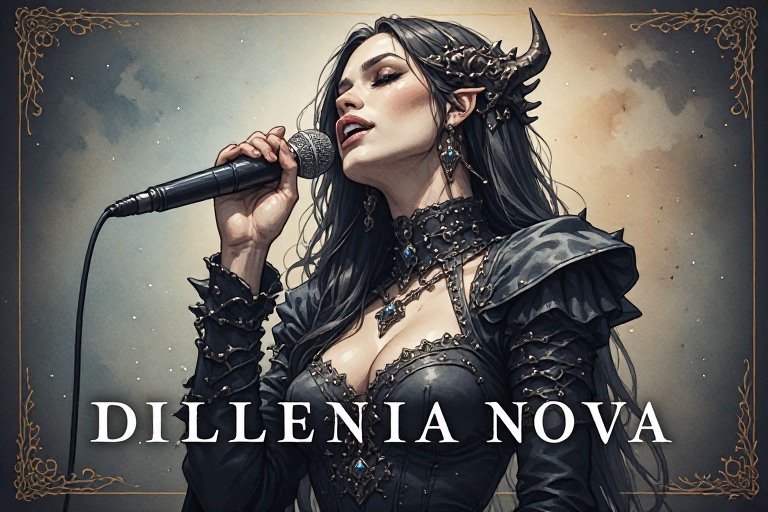
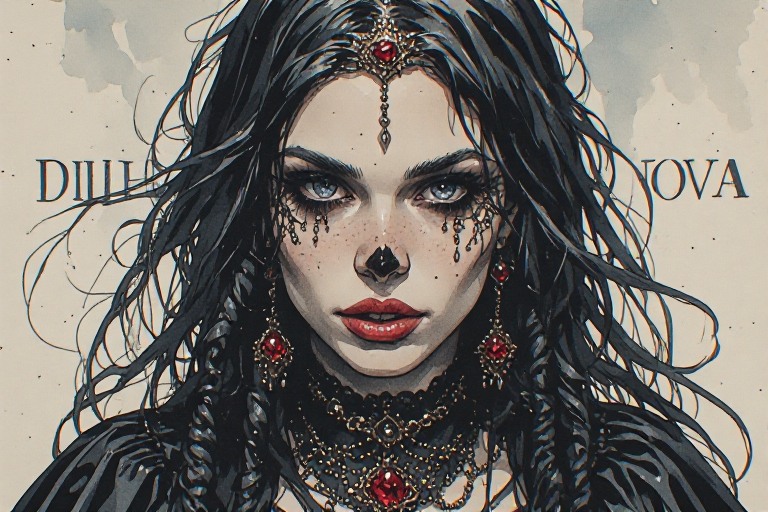
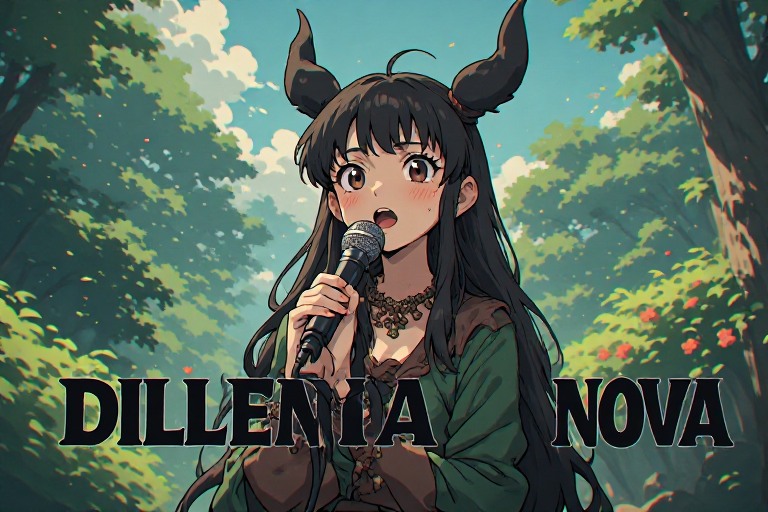
Саме після цього періоду в її сценічному образі стали помітніші **театральність, готична символіка, складні костюми та симфонічний масштаб**, які згодом стали невід'ємними рисами Horsticia як фронтвумен **Dillenia Nova**.
Попри те, що Ja-Ko-Si не перетворився на постійний гурт, його коротка історія залишила помітний слід у творчості всіх чотирьох учасниць.
Для Horsticia це був своєрідний **міст між сольним darkwave-проєктом 2020 року та майбутньою Dillenia Nova**.
Як вона пізніше жартувала в одному з інтерв'ю:
> **"Я їхала до Азії слухати чужу темну музику, а повернулася з власним драконом."**.
Остання фраза непрямо зв'язує азійський період із "Eyes of the Dragon" і дала чудовий місток до створення "Dillenia Nova".
6 синглів Horsticia у 2020–2022 роках стали своєрідним мостом між сольним альбомом Horsticia / Хорстиція та появою Dillenia Nova. Тут уже менше «шкільної» романтики й більше darkwave, gothic metal, симфоніки та містичної образності.
Dark symphonic gothic metal with gothic darkwave elements, powerful female mezzo-soprano, cinematic orchestration, haunting piano, heavy guitars, deep bass, dramatic choir, mystical atmosphere, emotional melodies, elegant darkness, gradually building from intimate verses to an epic powerful chorus.
Репертуар Horsticia - 2020–2022
1. Black Swan Rising
Пісня про перетворення: юна дівчина залишає попередній образ і стає самостійною артисткою. Лебідь тут — символ краси, темряви й метаморфози. A song about transformation: a young woman leaves behind her former persona and emerges as an independent artist. Here, the swan is a symbol of beauty, darkness, and metamorphosis.
2. Die Hexe im Spiegel (Alter Ego)
«Відьма у дзеркалі» - перший виразно німецькомовний gothic-darkwave сингл. Дзеркало показує не зовнішність, а приховане alter ego. "Die Hexe im Spiegel" is the first distinctly German-language gothic-darkwave single. The mirror reveals not one's outward appearance, but a hidden alter ego.
3. Мавка в чорному
Український gothic-folk номер із карпатськими мотивами. Образ Мавки переосмислений не як трагічна жертва, а як незалежна, небезпечна й вільна жінка. A Ukrainian gothic-folk track featuring Carpathian motifs. The figure of Mavka is reimagined not as a tragic victim, but as an independent, dangerous, and free woman.
4. The Raven's Bride
Темний романтичний gothic metal із образом нареченої ворона. Тут уже з'являється той символічний світ, який пізніше стане характерним для Dillenia Nova. Dark, romantic gothic metal featuring the imagery of the Raven's Bride. Here, the symbolic world that would later become characteristic of Dillenia Nova begins to emerge.
5. Beyond the Veil
Найбільш симфонічна композиція перехідного періоду: оркестр, хор, важкі гітари й драматичний мецо-сопрано. «Завіса» - межа між старою Horsticia та новою сценою. The most symphonic composition of the transitional period: orchestra, choir, heavy guitars, and a dramatic mezzo-soprano. "The Curtain" marks the boundary between the old Horsticia and the new stage.
6. Rise, Horsticia! (The Final Manifesto)
Фінальний маніфест. Великий symphonic gothic metal anthem про народження сценічної особистості. Саме тут Horsticia остаточно постає як фронтвумен, а не просто сольна співачка. The final manifesto. A grand symphonic gothic metal anthem about the birth of a stage persona. It is here that Horsticia truly emerges as a frontwoman, rather than merely a solo singer.
Послідовність Black Swan → Die Hexe im Spiegel → Мавка в чорному → The Raven's Bride → Beyond the Veil → Rise, Horsticia!: це фактично маленька опера становлення її сценічного alter ego.
Коли Overko Martynjuk запропонував їй стати вокалісткою нового symphonic-metal проєкту у 2022 році, Horsticia була до цього повністю готова.
LYRICS
Black Swan Rising
[Verse 1]
I kept her quiet in a velvet cage
That girl with the borrowed smile
She wore my voice like a borrowed dress
And learned to whisper all the while
[Pre-Chorus]
But the mirror cracked one evening
And I saw her staring back
Not the shell they used to paint me in
Not the ghost I learned to lack
[Chorus]
Let the swan take the water
Let her feathers turn to night
I'm shedding every name they gave me
And walking into light
Oh the dark becomes my echo
And the dark becomes my crown
I rise from those still waters
Where I used to drown
[Verse 2]
They praised the posture not the thorns
They loved the curtain not the play
But a crown of ink is growing
Where the old soft girl decayed
[Pre-Chorus]
And the chorus hums like thunder
Underneath my quiet skin
I could keep the mask forever
Or I could let the new one in
[Chorus]
Let the swan take the water
Let her feathers turn to night
I'm shedding every name they gave me
And walking into light
Oh the dark becomes my echo
And the dark becomes my crown
I rise from those still waters
Where I used to drown
[Bridge]
She is black and she is lovely
She is silence sharpened bright
Every shadow that I carried
Is a wing of borrowed flight
Watch me bend it watch me break it
Watch me wear it like a psalm
I was born to be the creature
Not the quiet hand that calmed
[Chorus]
Let the swan take the water
Let her feathers turn to night
I'm shedding every name they gave me
And walking into light
Oh the dark becomes my echo
And the dark becomes my crown
I rise from those still waters
Where I used to drown
[Outro]
I rise I rise I rise
(She rises)
Beautiful and black
(Beautiful and black)
Die Hexe im Spiegel (Alter Ego)
[Verse 1]
Stille Wände flüstern leise
Ein Schatten gleitet durch den Raum
Ich trete vor das kalte Glas
Und sehe nicht mein eigenes Gesicht
[Verse 2]
Ein Lid hebt sich aus dunklem Schein
Zwei Augen ohne jedes Licht
Sie trägt das Haar wie schmale Flammen
Und lächelt mich so fremd an
[Pre-Chorus]
Wer bist du hinter diesen Rändern
Die ich jeden Morgen kenn
Wer spricht aus deinem hohlen Atem
Wenn die Kerzen niederbrennen
[Chorus]
Die Hexe im Spiegel
Sie wartet schon so lang
Die Hexe im Spiegel
Verbirgt was tief in mir begann
Sie singt aus stillem Mund
Das Lied von Nacht und Bann
Die Hexe im Spiegel
Doch das Gesicht bin ich
[Post-Chorus]
Spiegelbild
Spiegelbild
Sei mein tiefstes Ich
[Verse 3]
Ich lege meine Hand an Glas
Sie spiegelt meine Fingerspitzen
Ein Chor aus tausend Stimmen klingt
Und kündet von der Mauern Sprung
[Pre-Chorus]
Wer bist du hinter diesen Rändern
Bis das Morgen mich verletzt
Wer hält die alte Krone ständig
Wenn mein Herz im Takt sich setzt
[Chorus]
Die Hexe im Spiegel
Sie wartet schon so lang
Die Hexe im Spiegel
Verbirgt was tief in mir begann
Sie singt aus stillem Mund
Das Lied von Nacht und Bann
Die Hexe im Spiegel
Doch das Gesicht bin ich
[Bridge]
Schlag das Glas in tausend Sterne
Lass das Licht durch jede Spur
Ich umarme ihre Kälte
Und sie trägt mich durch die Flur
[Chorus]
Die Hexe im Spiegel
Sie wartet schon so lang
Die Hexe im Spiegel
Verbirgt was tief in mir begann
Sie singt aus stillem Mund
Das Lied von Nacht und Bann
Die Hexe im Spiegel
Wir sind ein einziges Ich
Мавка в чорному
[Intro]
О-о, о-о
(О-о)
[Verse 1]
У глибині карпатських лісів
Де туман в'ється, мов попіл і дим
Я не та, що плаче у ніч
Я вогонь, що горить у самій тиші
[Pre-Chorus]
Ти чув казки про сльози мої
Але не чув, як я в'ю собі шлях
Кинь камінь у воду мою
Побачиш лише, як я розквітаю у імлі
[Chorus]
Мавка в чорному, душа без меж
Дихає темрява в такт моїх кроків
Хто б захотів — мене не знайде
Я вільна, як ніч, як вітер, як сніг
[Post-Chorus]
(Вільна) вільна
Я вільна, як ніч
[Verse 2]
Я не чекаю, не благаю чуда
Долоні мої тримають лиш грім
Погляд мій — гостріший від леза
А серце — твердіше за камінь-граніт
[Pre-Chorus]
Вони шепочуть про мій гріх
Але не бачать сили в моїх крилах
Не зловиш мене в золоті сіті
Бо я сама вирішила, ким бути
[Chorus]
Мавка в чорному, душа без меж
Дихає темрява в такт моїх кроків
Хто б захотів — мене не знайде
Я вільна, як ніч, як вітер, як сніг
[Post-Chorus]
(Вільна) вільна
Я вільна, як ніч
[Bridge]
Хай ліси запам'ятають
Крок мій вільний уранці новий
Не прощаюсь, не повертаюсь
Я іду у світ, що належить мені
[Chorus]
Мавка в чорному, душа без меж
Дихає темрява в такт моїх кроків
Хто захотів — мене не знайде
Я вільна, як ніч, як вітер, як сніг
[Post-Chorus]
(Вільна) вільна
Я вільна, як ніч
(Вільна) вільна
Я вільна, як сніг
The Raven's Bride
[Verse 1]
Cold chapel bells
Are ringing through the frozen dawn
I carved your name
In every stone I walked upon
The candle gutters low
And shadows spill across the floor
I count the feathers
That have fallen at the door
[Pre-Chorus]
The night is calling us to wed
In a ceremony made of dread
[Chorus]
I am the Raven's Bride
Wrapped in a gown of midnight air
He comes to claim my side
And crowns my brow with feathers there
No ring but wings
No vow but storm and song
I am the Raven's Bride
And I have waited far too long
[Post-Chorus]
(Raven's bride)
(Raven's bride)
[Verse 2]
He tells me soft
The secrets that the darkness keeps
A husband made
Of shadow that still never sleeps
I swore away the light
To walk the path of endless night
With talons at my wrist
And moonbeams in my sight
[Pre-Chorus]
The veil is lifted from my face
A kingdom built on silent grace
[Chorus]
I am the Raven's Bride
Wrapped in a gown of midnight air
He comes to claim my side
And crowns my brow with feathers there
No ring but wings
No vow but storm and song
I am the Raven's Bride
And I have waited far too long
[Breakdown]
(Raven)
(Raven)
Take my hand
Into the hollow of the night
Take my heart
And hold it in eternal flight
[Chorus]
I am the Raven's Bride
Wrapped in a gown of midnight air
He comes to claim my side
And crowns my brow with feathers there
No ring but wings
No vow but storm and song
I am the Raven's Bride
And I have waited far too long
Beyond the Veil
[Verse 1]
The curtain waits between the waking gray
Two worlds that never learn to speak
Old names are fading on the window glass
I trace the line with burning fingertips
[Pre-Chorus]
And if I step beyond
And if the dark is warm
[Chorus]
Beyond the veil I'm calling out
The stage is swept of who I was before
Beyond the veil there is no doubt
I carry only what my heart is for
[Verse 2]
The heavy threads have torn across my hands
A kingdom built on borrowed hour
The choir hums a note I understand
One voice that finally finds its power
[Pre-Chorus]
And if I turn around
And if the dark is warm
[Chorus]
Beyond the veil I'm calling out
The stage is swept of who I was before
Beyond the veil there is no doubt
I carry only what my heart is for
[Bridge]
Lay the old stone down (lay it down)
Let the new light crown (let it crown)
Every ending I have known
Becomes a door that's all my own
[Chorus]
Beyond the veil I'm calling out
The stage is swept of who I was before
Beyond the veil there is no doubt
I carry only what my heart is for
[Outro]
Beyond the veil
Beyond the veil
Rise, Horsticia (The Final Manifesto)
[Verse 2]
I have worn this mask of quiet steel
A borrowed voice to keep the silence real
But every echo begs to be set free
And every shadow knows what I could be
[Pre-Chorus]
Let the velvet fall away
Let the hollow words decay
[Chorus]
Rise, Horsticia
Step into the fire
Rise, Horsticia
Crown the deep and dire
I am not a whisper
I am not a plea
Rise, Horsticia
The stage belongs to me
[Post-Chorus]
(Take the light)
(Take the crown)
(Watch them bow down)
[Verse 1]
They handed me a script of borrowed lines
A leaden cloak to hide this soul of mine
But sharpened in the dark I felt the strain
A pulse I could not keep in tiny chains
[Pre-Chorus]
Let the velvet fall away
Let the hollow words decay
[Chorus]
Rise, Horsticia
Step into the fire
Rise, Horsticia
Crown the deep and dire
I am not a whisper
I am not a plea
Rise, Horsticia
The stage belongs to me
[Bridge]
Beneath these towers of smoke and choir
I burn with every breath the night desires
No lonely song, no hidden trill
I split the heavens with my will
[Chorus]
Rise, Horsticia
Step into the fire
Rise, Horsticia
Crown the deep and dire
I am not a whisper
I am not a plea
Rise, Horsticia
The stage belongs to me
[Post-Chorus]
(Take the light)
(Take the crown)
(Watch them bow down)
(Rise)
(Rise)
(Rise Horsticia)





.jpg)
.jpg)
.jpg)
.jpg)
.jpg)
.jpg)
.jpg)
.jpg)
.jpg)
.jpg)
.jpg)
.jpg)
.jpg)
.jpg)
.jpg)
.jpg)
.jpg)
.jpg)
.jpg)
.jpg)
.jpg)
.jpg)
.jpg)
.jpg)
.jpg)
.jpg)
.jpg)
.jpg)
.jpg)
.jpg)
.jpg)
.jpg)
.jpg)
.jpg)
.jpg)
.jpg)
.jpg)
.jpg)
.jpg)
.jpg)
.jpg)
.jpg)
.jpg)
.jpg)
.jpg)
.jpg)
.jpg)
.jpg)
.jpg)
.jpg)
.jpg)
.jpg)
.jpg)
.jpg)
.jpg)
.jpg)
.jpg)
.jpg)
.jpg)
.jpg)
.jpg)
.jpg)
.jpg)
.jpg)
.jpg)
.jpg)
.jpg)
.jpg)
.jpg)
.jpg)
.jpg)
.jpg)
.jpg)
.jpg)
.jpg)
.jpg)
.jpg)
.jpg)
.jpg)
.jpg)
.jpg)
.jpg)
.jpg)
.jpg)
.jpg)
.jpg)
.jpg)
.jpg)
.jpg)
.jpg)
.jpg)
.jpg)
.jpg)
.jpg)
.jpg)
.jpg)
.jpg)
.jpg)
.jpg)
.jpg)
.jpg)
.jpg)
.jpg)
.jpg)
.jpg)
.jpg)
.jpg)
.jpg)
.jpg)
.jpg)
.jpg)
.jpg)
.jpg)
.jpg)
.jpg)
.jpg)
.jpg)
.jpg)
.jpg)
.jpg)
.jpg)
.jpg)
.jpg)
.jpg)
.jpg)
.jpg)
.jpg)
.jpg)
.jpg)
.jpg)
.jpg)
.jpg)
.jpg)
.jpg)
.jpg)
.jpg)
.jpg)
.jpg)
.jpg)
.jpg)
.jpg)
.jpg)
.jpg)
.jpg)
.jpg)
.jpg)
.jpg)
.jpg)
.jpg)
.jpg)
.jpg)
.jpg)
.jpg)
.jpg)
.jpg)
.jpg)
.jpg)
.jpg)
.jpg)
.jpg)
.jpg)
.jpg)
.jpg)
.jpg)
.jpg)
.jpg)
.jpg)
.jpg)
.jpg)
.jpg)
.jpg)

